Why Comforters Matter: The Science, Psychology, and Gentle Design Behind a Child’s First Friend
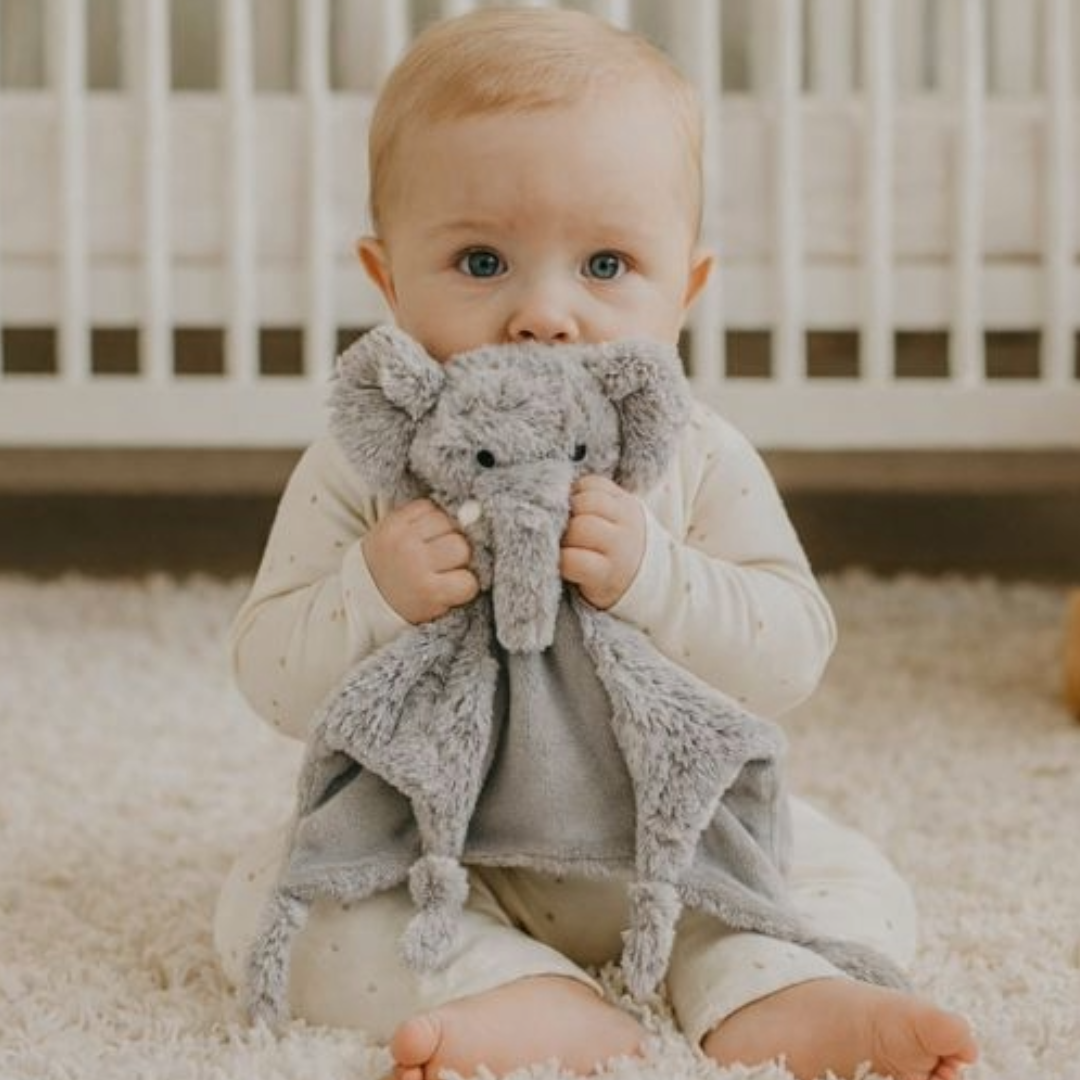
For many babies and young children, a comforter is far more than a soft toy. It is often their first source of reassurance, familiarity, and emotional grounding in a big, ever-changing world. Parents instinctively know this — we see it in the way a child reaches for the same soft toy at bedtime, during travel, or when they’re feeling overwhelmed.
But what is it about comforters that makes them so powerful? And what separates a truly supportive comforter from something that is simply cute?
Let’s explore the science, psychology, and thoughtful design principles behind why comforters matter — and how the right materials, textures, and characters can make all the difference.
The Psychology of Comfort: Why Babies Attach to Objects
In developmental psychology, comforters are often referred to as “transitional objects.” This term describes an item — commonly a soft toy or blanket — that helps a child transition from complete dependence on a caregiver to a sense of independent emotional security.
In simple terms, a comforter acts as a bridge between a parent’s presence and a child’s growing ability to self-soothe.
From around six months onward, babies begin to recognise that their caregiver exists even when they’re not in sight. While this is a vital developmental step, it can also create anxiety. A familiar comforter helps ease this by offering something consistent, recognisable, and reassuring when Mum or Dad isn’t right there.
This is why comforters often become especially important during:
-
Sleep and bedtime routines
-
New environments (travel, childcare, visiting others)
-
Moments of overstimulation or fatigue
A well-chosen comforter doesn’t replace a caregiver — it supports a child while their emotional world is expanding.
How Comforters Support Emotional Regulation
Young children don’t yet have the tools to regulate their emotions independently. They rely heavily on external cues to feel safe and calm.
A comforter helps by:
-
Providing predictability — it looks, feels, and smells familiar
-
Offering tactile reassurance through soft, gentle textures
-
Acting as a calming focal point when emotions run high
Touch is especially important here. Research into early childhood development consistently shows that gentle tactile input can lower stress responses and promote calm behaviour. Soft fabrics, subtle weight, and comforting textures help signal safety to a developing nervous system.
This is also why overly stiff, scratchy, or synthetic-feeling materials can work against the very purpose of a comforter.
Why Simplicity Matters: Avoiding Overstimulation
Not all toys are designed to soothe — and that’s okay. But comforters serve a very specific role.
For babies and young children, less is often more.
Highly stimulating toys with bright colours, flashing elements, crinkly plastics, or multiple sounds can actually increase arousal rather than reduce it. While these toys have their place during playtime, they’re not ideal for rest, sleep, or emotional regulation.
A good comforter is intentionally:
-
Calm in colour
-
Gentle in texture
-
Simple in design
This simplicity allows the child to project their own feelings onto the comforter, rather than being overwhelmed by it.
The Role of Animals and Emotional Connection
There’s a reason animal comforters have endured for generations.
Animals are universally comforting. They feel safe, approachable, and non-judgemental. For children, an animal comforter often becomes:
-
A “listener”
-
A source of companionship
-
A character they can nurture and care for
Soft animal forms with friendly, open expressions help children develop early empathy and emotional storytelling — all without overstimulation.
When animals are designed thoughtfully, they become familiar friends rather than novelty objects.
Materials Matter: What Comfort Really Feels Like
At the heart of any great comforter is the material it’s made from.
Babies experience the world primarily through touch. This makes fabric choice critically important — not just for comfort, but for trust and safety.
High-quality plush fabrics offer:
-
A soft, inviting surface that encourages cuddling
-
Consistency in feel, wash after wash
-
A gentle sensory experience that supports calm
Equally important is what’s inside. Fillings should be resilient, evenly distributed, and supportive without feeling firm or lumpy. A comforter should feel welcoming and familiar every single time it’s picked up.
Poor-quality materials can flatten, stiffen, or change texture over time — disrupting that all-important sense of consistency.
Comforters and Sleep: Building Familiar Routines
Comforters often play a quiet but powerful role in sleep routines.
When used consistently, they become part of a child’s sleep association — a cue that signals it’s time to rest. Over time, simply holding or seeing their comforter can help a child settle more easily, even in unfamiliar environments.
This sense of continuity is invaluable for:
-
Day sleeps
-
Overnight routines
-
Travel and holidays
-
Childcare transitions
A familiar comforter helps carry the feeling of home wherever a child goes.
Thoughtful Design Makes the Difference
A truly great comforter is not an accident. It’s the result of deliberate design choices that balance beauty, safety, and developmental support.
The most loved comforters tend to share common qualities:
-
Soft, soothing textures
-
Calm, timeless colour palettes
-
Friendly, approachable animal characters
-
A size and weight that feels just right for small hands
When these elements come together, the result is something that feels instantly familiar — and stays that way for years.
A Small Object With a Big Role
Comforters may be small, but their role in early childhood is anything but.
They support emotional development, help children feel secure, and provide a steady source of reassurance as they grow and explore the world. When chosen thoughtfully, a comforter becomes more than a toy — it becomes a trusted companion through some of the most important early moments of life.
That’s why comforters deserve careful consideration. Because when it comes to comfort, children know the difference.
Our Approach at Lily & George
At Lily & George, we don’t believe comforters should be rushed or overdesigned. Each piece in our range is developed slowly and thoughtfully, with a clear focus on how it will be used by real children, every day. From early sketches through to material selection and final sampling, we consider not just how a comforter looks, but how it feels, how it moves, and how it supports calm, secure moments. We prioritise soft, high-quality plush fabrics, gentle animal forms, and designs that are intentionally soothing rather than overstimulating. Just as importantly, every Lily & George comforter is designed with safety at its core and tested to the applicable New Zealand and Australian toy safety standards, so parents can feel confident that our toys are not only beautiful and comforting, but appropriate, durable, and made to be truly loved.